
How Pilates Studios Should Structure Intro Offers & Packs
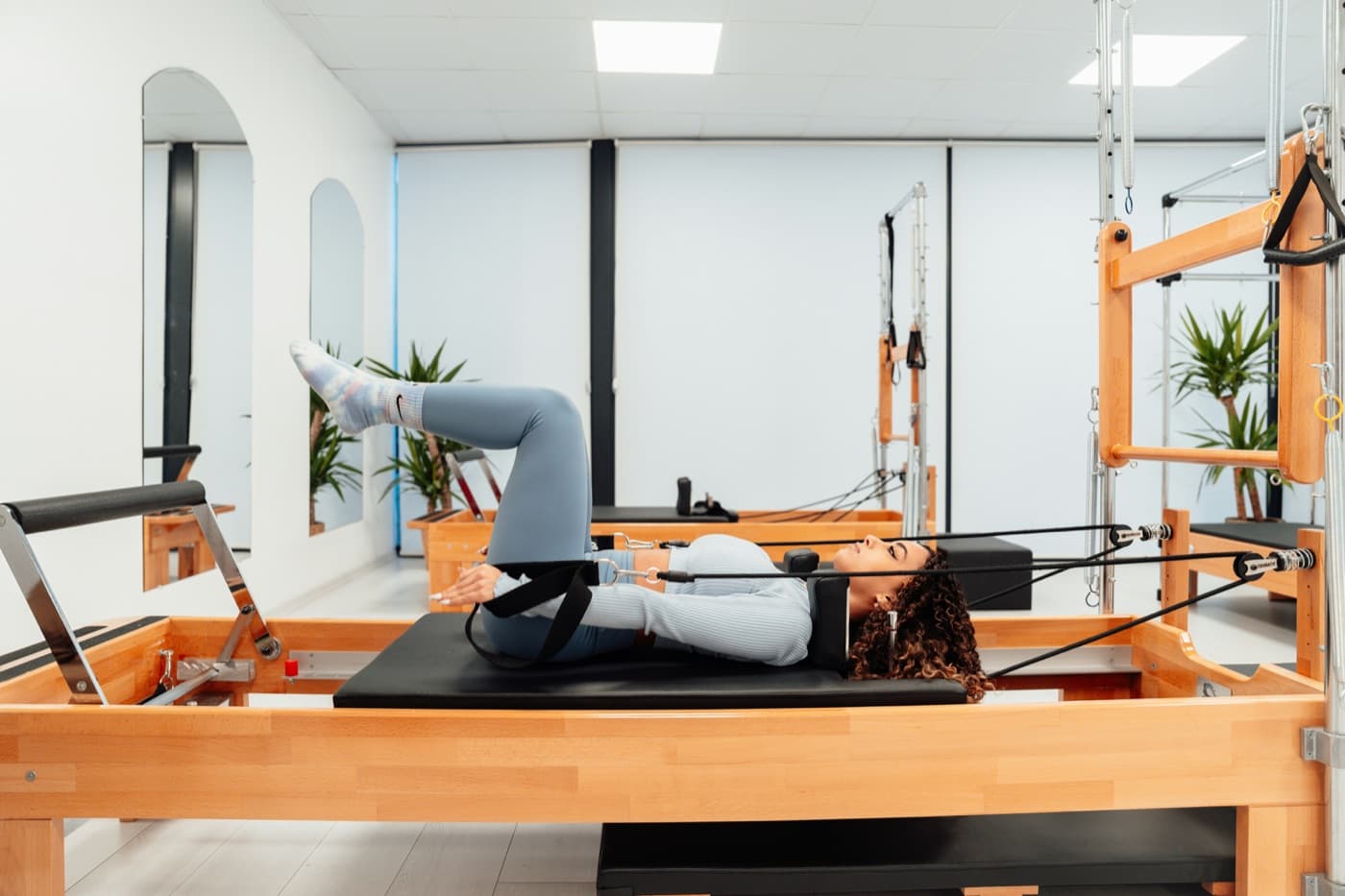
Does this sound familiar? You launch your studio with a great intro offer. Over time, you add more packs, passes, and monthly plans. Before you know it, new clients are staring at a wall of choices on your pricing page and clicking away.
You do not need deeper discounts to grow: you just need a simpler menu. In this guide, we will cover how to structure your pricing using just 4 or 5 clear options so you can turn first-timers into long-term regulars.
If you are building your pilates content stack, start with What Is Sports Club Management Software, Complete Guide and How Sports Clubs Should Handle Online Bookings, then use this article to shape your pricing model.

Quick Answer
Stick to 4 or 5 total plans: 1 intro offer, 2 class packs, and 1 or 2 memberships.
Guide by attendance: Suggest packs for clients coming under 5 times a month, and memberships for those coming 6 or more times.
Keep intro offers short: Set a 14 to 21-day window capped at 3 to 5 classes.
Track intro sign-ups: Watch your intro-to-paid conversion rate to see if your path is working.
Why Clear Pricing Wins
Most studios do not have a discount problem: they have a clarity problem. When your pricing page is simple, clients buy faster.
A clean menu helps you:
Increase first-time sales: New clients instantly know where to start.
Build recurring revenue: More clients smoothly move to monthly plans.
Cut down admin: You spend less time explaining options in DMs and at the desk.
The 3-Step Pricing Framework
Structure your menu in three clear layers:
1. Intro Offer
Exclusively for newcomers. Short, capped, and one-time use.
2. Class Packs
For flexible drop-ins who attend irregularly.
3. Memberships
For your weekly regulars: the foundation of steady monthly revenue.
Quick Checklist Before You Publish
10-second test: Can a client understand each plan in under 10 seconds?
Habit match: Do your plans align with attendance habits (<5 visits = pack, 6+ visits = membership)?
Capacity check: Does your pricing protect your reformer availability during peak hours?
Visible terms: Are expiration and cancellation terms clear before checkout?
Setup Guide for Pilates Studios
Group clients by attendance
Split clients into three groups: first-timers, flexible drop-ins (4 to 8 classes/month), and dedicated regulars (weekly or more).
Launch one strong intro offer
Too many choices reduce sales. Offer a single trial: 14 to 21 days valid, capped at 3 to 5 classes.
Create two class packs
Build a small pack for occasional drop-ins and a medium pack for consistent, flexible clients.
Offer one or two memberships
Stick to a standard monthly membership (e.g. 8 classes/month) and an optional higher-frequency plan if studio space allows.
Send timely upgrade reminders
Nudge clients to take the next step after their 2nd trial class, when they have used 80% of a pack, or 7 days before their membership renews.
Keep your rules consistent
Use one clear set of rules for late cancels, freezes, and expirations across all plans.
Quick Do's and Don'ts
| Do | Don't |
|---|---|
| Use simple names: e.g. Intro Pass, 8-Class Pack, Monthly 8. | Overwhelm clients: Avoid listing more than 5 total pricing choices. |
| Recommend based on usage: Suggest memberships to clients buying frequent packs. | Leave trials open-ended: Always set clear expiration dates. |
| Protect peak slots: Avoid selling unlimited plans if reformer classes are full. | Mix rules: Do not create different policy rules for every product. |
90-Day Benchmarks
Intro-to-Paid Conversion: 35% to 60%
Pack Completion Rate: 65% to 85%
Membership Share of Revenue: 50% to 75%
Monthly Membership Churn: Below 6% to 10%
Final Takeaway
Keep your pricing menu focused, match your plans to real client habits, and protect your reformer capacity while growing recurring revenue.
For related strategy, compare this guide with Best Booking Software for Pilates Studios, Private Lessons vs Group Sessions, How to Run Both Profitably, and keep following Pilates guides as this cluster expands.
Frequently Asked Questions
Related articles
Private Lessons vs Group Sessions: How to Run Both Profitably
How to run private lessons and group sessions side by side, with a simple timetable mix, clear pricing and 90-day numbers to keep your studio busy.
Private Pilates vs Group Reformer: Profit Framework
Private pilates sessions or group reformer classes? A simple profit framework with revenue-per-hour maths, a checklist and benchmark ranges.
Yoga Membership Models, Unlimited vs Capped Plans
Unlimited or capped yoga memberships? Where each one works, where each one quietly costs you money, and the simple mix most studios use.